

Last week I was in Hillsboro, Oregon during an exceptionally warm stretch of days in late December. The sun and relatively balmy temperatures made being outside pleasant, but I couldn’t help speculating that I was observing the effects of the climate crisis playing out in real time. Again and again, I found myself torn between wanting to appreciate the nice weather and feeling a sense of dread about what it could mean–especially when the temperatures made possible a couple of small wildlife sightings that seemed deeply out of place for this time of year.
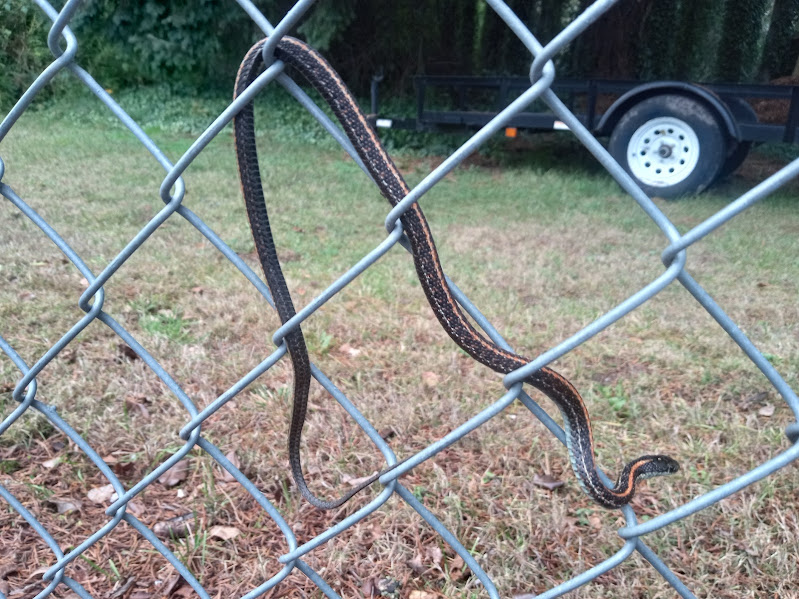
Observing wild reptiles out and about in winter is virtually unheard of in northern Oregon; but on December, I spotted the above small garter snake perched on the wires of a fence, apparently unconcerned about the season. What exactly it was doing several inches above ground level, I’m not sure. However, at this time of years garter snakes in this part of the Northwest would usually be safely bedded down in a concealed hibernaculum, awaiting the return of warm weather in spring.
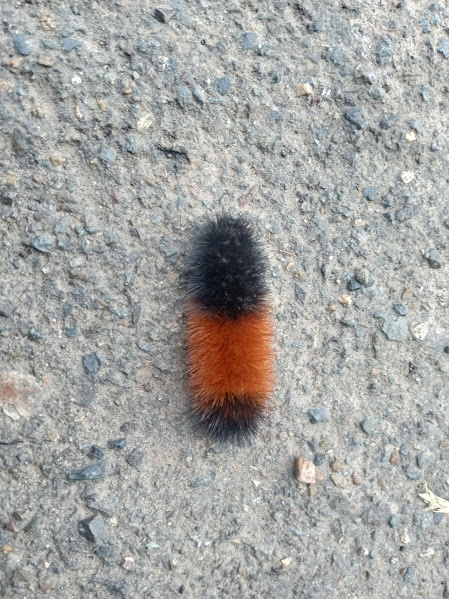
That same afternoon, I spied this Isabella moth woolly bear caterpillar trundling along the pavement on a suburban street. This species of moth overwinters as a caterpillar in a semi-dormant state–and like the snake, the furry creature should normally be hidden in a sheltered spot at this time of year, not to emerge until springtime.
While always excited by unusual wildlife sightings, I can’t help worrying that these two sightings point ominously to how warmer temperatures are disrupting nature’s rhythms in the Northwest, with dire results for many species. The long, dry summers of the last few years appear to have pushed many native plants west of the Cascades to a crisis point, with iconic species like the western red cedar experiencing unprecedented die-offs throughout much of their range. And while the caterpillar and garter snake I observed may have appeared to be enjoying themselves, I wonder if the warm weather was prompting them to burn through precious energy reserves meant to last through the winter.
We may soon, finally, see some more genuinely wintery weather in the Pacific Northwest and many other parts of the U.S. I, for one, will be grateful for this change. However, this won’t erase the significance of an anomalously warm December. The warm Northwest winter is, in turn, a reminder that the planet just experienced its warmest year since record-keeping began.
 Nick Engelfried
Leave a comment