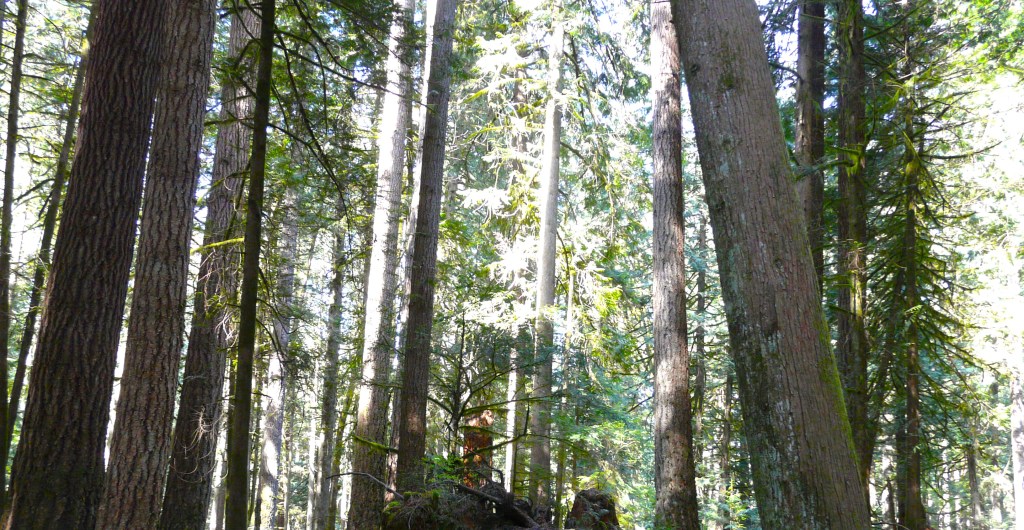


Recently, I had the chance to visit one of the oldest remaining forests in Whatcom County, WA. The Bessie Sorts stand, as this special place is called, is part of an expanse of “legacy forest” near the south end of Lake Whatcom, just outside the city of Bellingham. The protection of legacy forests–forests that were lightly logged sometime early last century, and which since then have regenerated into maturing ecosystems that are beginning to show old-growth characteristics–has become an increasingly important priority for Washington environmental groups in recent years. I was eager to see this example of one for myself.
Bessie Sorts is now protected, thanks to a deal struck a few years ago to use funds from Washington’s Climate Commitment Act to preserve the tact of land in perpetuity. This means the hemlocks, Douglas-firs, and cedars, some as old as 150 years, will be allowed to continue accumulating carbon year after year. It means the forest will continue filtering the drinking water of tens of thousands of people in the Lake Whatcom watershed. And it means the maturing ecosystem will provide habitat for countless plants and animals who depend on older forests.
However, before that protection agreement was made, the forest was in real jeopardy, with the Washington Department of Natural Resources (DNR) getting ready to auction off right to log it. Grassroots organizing by environmental groups and thousands of ordinary people are what kept this place from being destroyed.
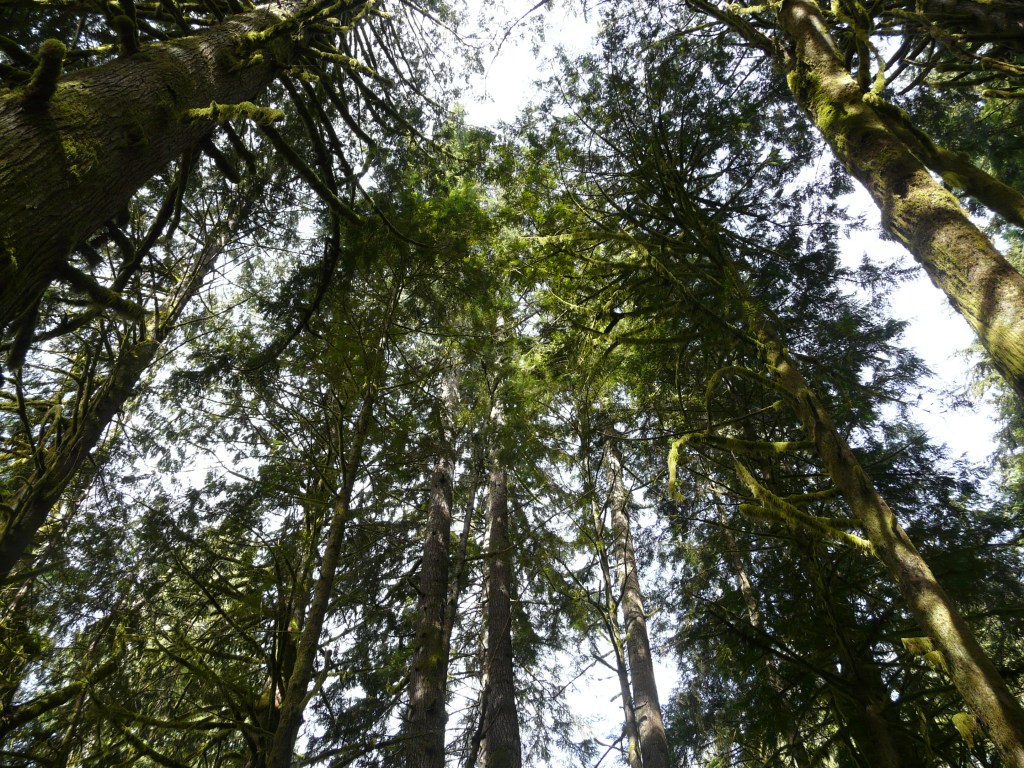
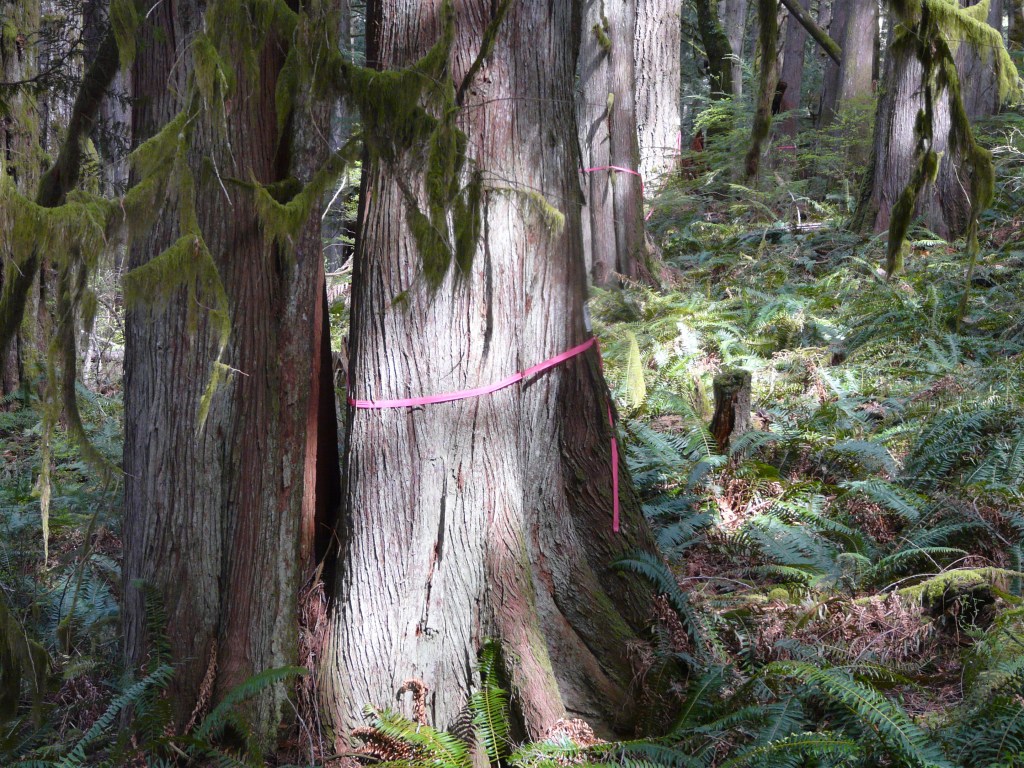
As I walked through the Bessie Sorts stand with sixteen other people who had all come to experience this place and learn about its importance, I was struck by the beauty of the forest with its big Douglas-fir trees, rich carpets of moss on the ground, and a few early spring trilliums just beginning to unfurl their petals. The thought that of this place being logged was truly heartbreaking. While DNR says they don’t clearcut, all this really means is a few token trees must be left standing on land that is otherwise razed of its forest to feed lumber mills. If Bessie Sorts had been logged, the rich ecosystem it now supports would have been utterly destroyed, reduced to a biological wasteland.
The protection of Bessie Sorts is an inspiring success story, which shows just how important Washington’s signature climate law is. However, the sad reality is that too many equally important forest ecosystems remain at risk in Washington. Last fall, voters chose a new State Public Lands Commissioner who has committed to prioritize protecting older forests. However, a mindset that sees old trees as simply a resource to be logged is deeply entrenched at DNR, and many timber sales initiated under the last commissioner are still in progress. It will take a lot of work to usher in real reform.
Below are some photos from Bessie Sorts. I hope they serve as a reminder of what’s at stake when we talk about logging or protecting older forests and the wealth of life they contain.


 Nick Engelfried
Leave a comment