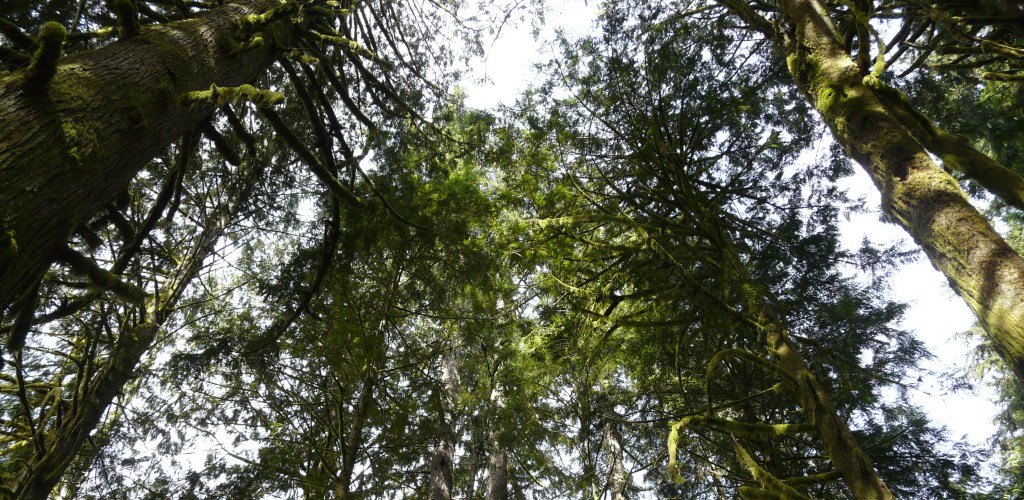


For several years now, Washington’s state forestlands–specifically, the regenerated ecosystems known as legacy forests–have been a subject of heated controversy. Legacy forests are lands that were lightly logged sometime in the early 20th century, then allowed to regrow naturally rather than being transformed into an industrial monocrop of even-aged trees. Today, these forests are not yet old enough to be true old-growth, but many are beginning to take on old-growth characteristics. They form important habitat for wildlife and act as vital carbon sinks.
Yet, Washington’s Department of Natural Resources (DNR) has seemed bent on cutting down them down as quickly as possible.
The election of a new Public Lands Commissioner in Washington in 2024 provided hope for many in the state’s environmental community that a change in direction at DNR might be coming. What has actually happened, though, is something much more piecemeal. Certain legacy forest sales have been cancelled, but a majority of those put on the chopping block by the previous administration seem to be moving ahead, even in places regarded as sensitive wildlife habitat.
In a couple recent pieces for Columbia Insight, I explore some of the fallout from this. One story looks at how a widely-publicized announcement that 77,000 acres of legacy forest would be protected has turned out to be not all that it initially seemed. Another examines how regulators moved ahead with plans to cut legacy trees in state-endangered western gray squirrel habitat. Follow the links to learn more.
 Nick Engelfried
Leave a comment