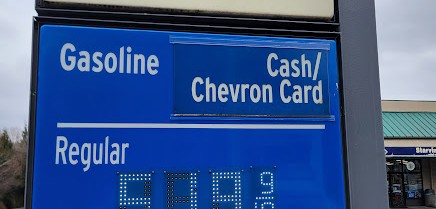


Donald Trump’s war in Iran has sparked a global energy crisis. Iran, whose geography gives it immense power over the worldwide oil trade, has leveraged its position by effectively shutting down the Strait of Hormuz, a conduit for approximately one fifth of the world’s oil. This, along with war-related damage to oil infrastructure in Gulf states, is causing gasoline and diesel prices to climb. It’s unclear how long this situation will last or where prices will level out — but as long as the US keeps bombing Iran, we can expect the price of oil to remain well above what it would otherwise be.
This matters, of course, because we use oil to do everything from powering our cars to transporting goods over long distances. But what if that wasn’t the case? If our economy wasn’t so dependent on oil, the price of a barrel wouldn’t matter so much. And, there are countries already showing what this looks like.
Consider Norway. The Scandinavian country not only generates 98% of its electricity from non-fossil fuel sources, but an incredible 97% of new cars sold in Norway are electric vehicles. Overall, plug-in cars now outnumber both diesel and gasoline vehicles on Norway’s roads. Do you think consumers there will feel a big pinch from high oil prices?
Contrast this with the US. Not only are we far behind Norway and many other countries when it comes to EV adoption — it’s also much harder to get a plug-in car now than it was just a couple years ago. That’s largely because Congress, at Trump’s behest, scrapped EV tax incentives enacted under the Biden administration. Meanwhile, Trump has tried to put the breaks on a massive build-out of EV charging infrastructure that was just getting off the ground, and which also started during Biden’s time in office. In other words it’s become more difficult to own a plug-in car at exactly the time when we need mass EV adoption to weather upheaval in the global energy market.
You might think this doesn’t affect you. After all, currently a large segment of the US population couldn’t easily make the switch to an EV, even with the now-defunct tax credits enacted under Biden. However, even if you’re one that number, the slowdown in EV adoption still has an impact on you.
Consider that every EV on the road means one less gasoline-powered vehicle filling up at the pump. As more and more people switch to EVs, demand for oil will go down. This drives prices down, benefiting even those drivers still behind the wheel of a gas-powered car. If more people were trading in their gas-guzzlers for EVs, it would help all of us in the current crisis. And, thanks to Trump and Republicans in Congress, it’s now harder to make this transition happen on a large scale.
Norway is a world leader in EV adoption because of policy decisions made by the people in power there. Norway planned for mass EV adoption, built out the required infrastructure, and made it as easy as possible for consumers to choose an EV when they buy a new car. The US could do that, too — and we were starting to move in that direction. Then came Trump.
So, Trump and his allies started an overseas war that’s driving up oil prices. They’ve also made reducing our economy’s dependence on oil that much more difficult. This translates into more money coming from your wallet every time you fill up your car with gas.
How’s that for America First?
 Nick Engelfried
Leave a comment