-

When the University of Toronto’s School of the Environment announced in October that it will no longer accept donations from the fossil fuel industry, the news sent waves through the growing movement to get coal, oil and gas companies off campuses. Among other things, that means banning fossil fuel corporations from financing academic research. “This…
-
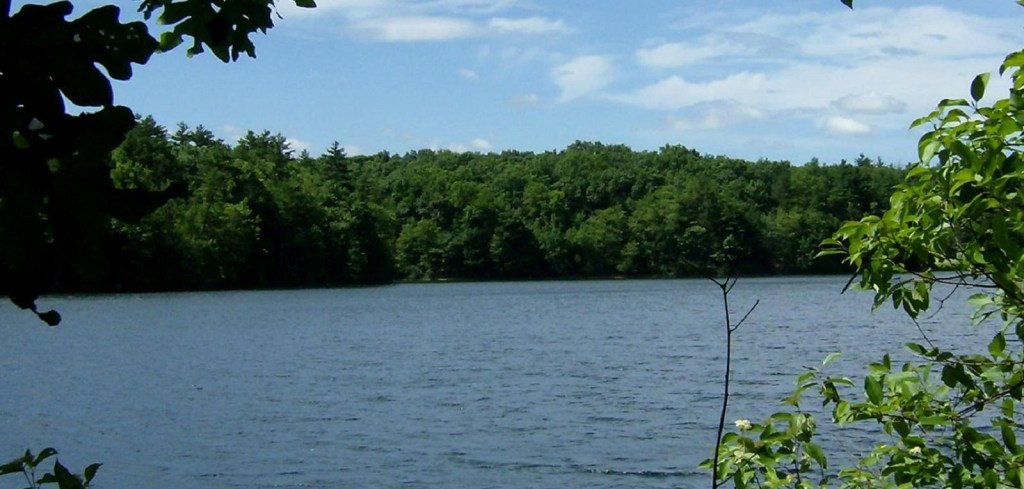
A version of this short essay originally appeared on Daily Kos soon after the 2016 election. I have decided to republish it here, today, because it feels just as relevant as it did then. I have removed some references to outdated events, replaced Hillary Clinton’s name with Harris’, and made a couple other small edits…
-
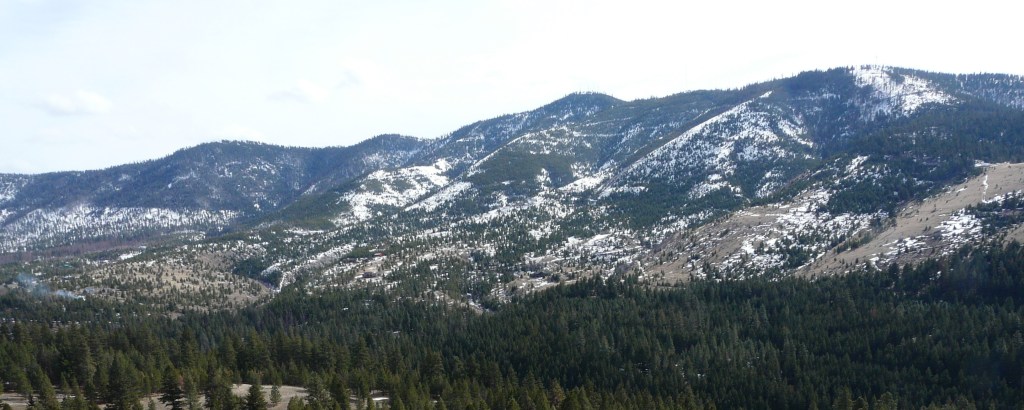
Yesterday, the amazing Exterminating Angel Press Magazine came out with its latest issue, Advice to the Distressed, and I’m proud to have a short story of mine included in it. I wrote this piece, “A Field Trip to the Dark Woods,” this past summer while reflecting on some formative experiences I had in Montana years…
-
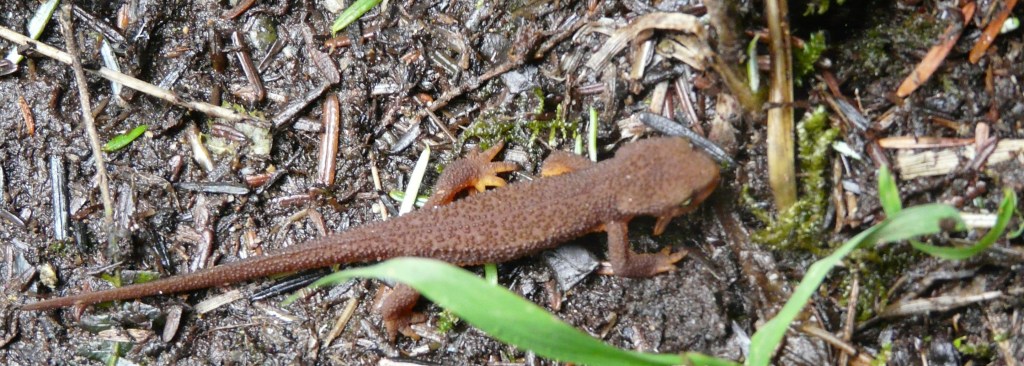
I’m preparing to teach a class for Whatcom Community College on the amphibians of Northwest Washington–and in preparing for it, I’ve been reminded of what a fantastical group of creatures the class Amphibia represents. They may not be as large and physically impressive as mammals, or as readily visible as birds, but amphibians have some…
-

If you live in Washington State and you pay any attention to climate politics, you probably know about the state’s Climate Commitment Act. Passed in 2021, it’s a “cap-and-invest” law that’s designed to gradually ratchet down emissions from most major pollution sources in line with the state’s goal of cutting carbon pollution 95 percent below…
-
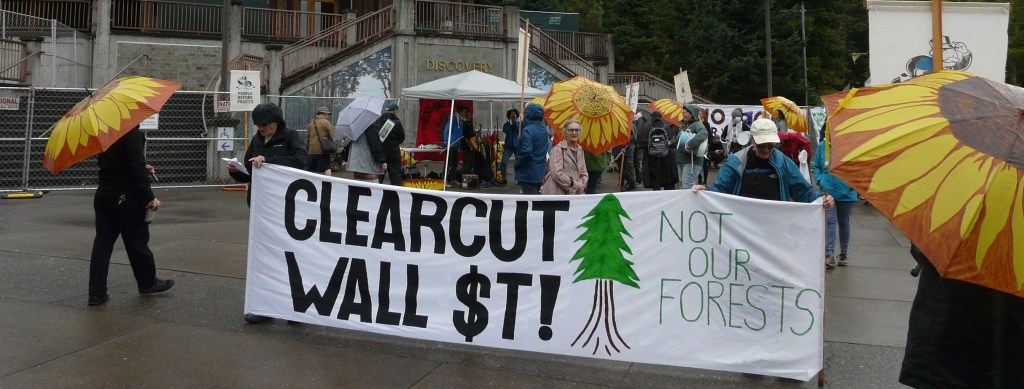
In this piece for Waging Nonviolence, I describe the growing grassroots movement to save our forests from being turned into wood pellets. “Who will own the forests? Who will own the sky?” sang dozens of umbrella-wielding protesters as rain drizzled outside the World Forestry Center in Portland, Oregon on Sept. 25. Inside the building, timber…
-

Protecting the Pacific Northwest’s last ancient forests has been a priority for the region’s environmental movement since at least the 1980s. In the late 20th century, the lines of this major battle over natural resources seemed starkly drawn and unmovable. Activists staged tree-sits to stop logging of some of the last centuries-old trees in western…
-

At almost 10,000 square miles, Washington’s North Cascades ecosystem is one of the largest truly wild landscapes left in the contiguous United States. I’m fortunate to have spent quite a bit of time in this remarkable place; I spent a year living in the remote North Cascades National Park, and have backpacked extensively in the…
-
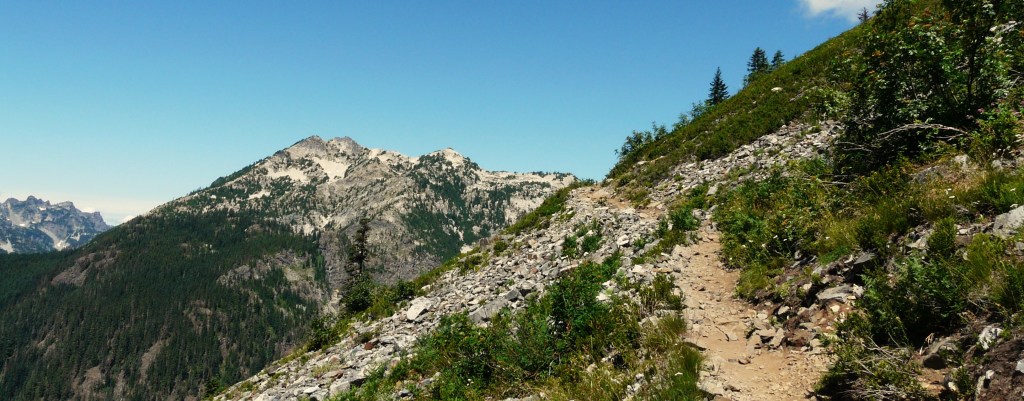
I recently made the hike to Kendall Katwalk in Alpine Lakes Wilderness–a spectacular day trip into one of the most beautiful wilderness areas in the Pacific Northwest. From glacier-carved mountain peaks, to high-elevation wildflowers, to old-growth mountain hemlock forests, to the lakes from which the wilderness gets its name, this protected area showcases so many…
-
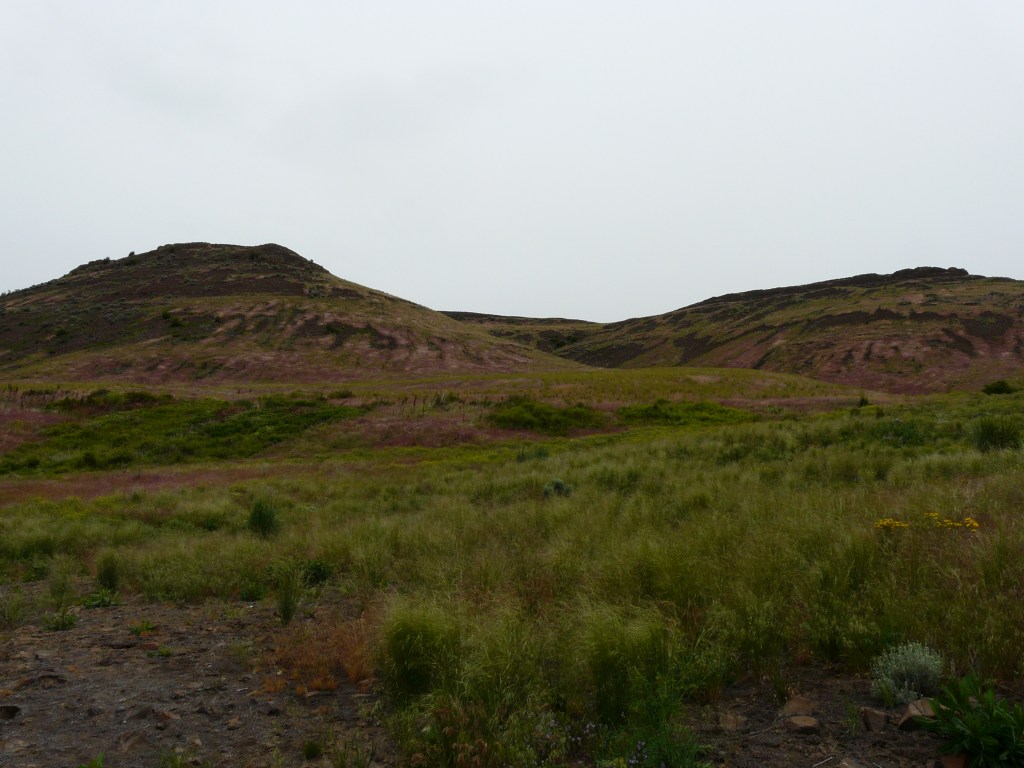
What’s the most significant thing we could do to protect endangered species, allow ecosystems to regenerate, and remove countless tons of carbon from the atmosphere? It might just be ending grazing on public lands. For decades, livestock interests have been allowed to profit off public lands, where they’re allowed to graze cattle and sheep for…
-
Subscribe
Subscribed
Already have a WordPress.com account? Log in now.
 Nick Engelfried